RGCQ 2026 ANNUAL CONFERENCE
Protect Today, Prepare for Tomorrow

News
On September 11, the RGCQ brought together stakeholders from across the co-ownership sector at the Club de golf Métropolitain d’Anjou for its Annual Conference. Held under the theme Living Well in Co-ownership: Protect Today, Prepare for Tomorrow, the 2026 edition provided an opportunity to take stock of the changes currently reshaping co-ownership in Québec, and, above all, to examine the practices needed to better address them.
Directors, co-owners, managers and professionals came together for a full day of conferences, panels and discussions focused on the sector’s major challenges. Governance, building maintenance, financial planning, communication, new technologies and artificial intelligence were all on the agenda, offering different perspectives on co-ownership with a common objective: promoting more informed and sustainable management.
Where Does Co-ownership in Québec Stand Today?
Following opening remarks by Me Yves Joli-Cœur, Ad. E., President of the RGCQ, and Yves Nadon, Executive Director, the day began with a major conference examining the current state of co-ownership in Québec and the changes taking shape for the years ahead.
Bringing together Francis Cortellino, Hélène Vallerand and Roch St-Jacques, this first discussion offered an opportunity to step back and examine the major trends transforming the sector, as well as the challenges Québec co-ownerships will need to address.
The discussion then shifted to what is happening on the ground with the major conversation, “One Year After the New Obligations: What Best Practices Are Emerging in the Field?” This time, the objective was to share experiences, successes and concrete solutions implemented by syndicates and managers since the new obligations came into force.
This discussion reflected one of the day’s central themes: after several years spent preparing for legislative and regulatory changes, the sector is now entering a period in which their practical implementation is taking on increasing importance.
Me Yves Joli-Cœur’s New Book Officially Launched
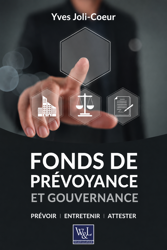
The morning concluded with one of the Conference’s highlights: the official launch of Me Yves Joli-Cœur’s new book, Ad. E., President of the RGCQ.
Founder of the RGCQ in 1999 and a longstanding figure in Québec divided co-ownership law, Me Joli-Cœur has devoted a significant part of his practice to this field for several decades. His new book was presented to participants as a reference tool intended particularly for directors and managers, at a time when their responsibilities and the issues they must address are becoming increasingly complex.
The launch, which also featured Yvon Rudolphe, was followed by a book signing during the lunch break, giving participants an opportunity to speak with the author.
Two Tracks for a Deeper Dive
In the afternoon, the program split into two parallel tracks, providing an opportunity to explore issues specific to directors and co-owners on one side, and managers and professionals on the other.
For directors and co-owners, an initial discussion with Me Karl Michel and Simon Vanasse examined the characteristics of well-functioning co-ownerships. Governance and management practices were at the centre of the discussion, with the goal of identifying the conditions that contribute to healthy, effective and sustainable co-ownership.
A second panel tackled a particularly challenging reality for boards of directors: how to communicate difficult decisions. Increases in common expenses, special assessments and major work can lead to confusion and resistance. The discussion therefore focused on better equipping directors to explain these decisions, build support among co-owners and maintain a climate of trust.
A Changing Profession for Co-ownership Managers
Meanwhile, the track for managers and professionals focused on the changes reshaping their practice.
Me Yves Papineau and Valéry Couture first examined how managers can better support boards of directors. Leadership, expectation management and prioritization were among the topics discussed, with a view to better defining how managers can help boards prioritize, decide and act.
The second panel looked further ahead. With Guillaume Leblond, Julien Chaput-Lemay and Léo Boisvert, the discussion focused on the co-ownership manager of tomorrow, including the new skills, technological tools and artificial intelligence that will gradually transform the profession. Beyond the new tools becoming available, the discussion invited professionals to consider the skills they will need to develop as the sector continues to evolve.
Preserving the Value of Our Co-ownership Properties
The two tracks ultimately came together for the closing plenary session: “Preserving the Value of Our Co-ownership Properties: Which Decisions Will Truly Make a Difference?”
Me Yves Joli-Cœur, Sean Beauchemin, Roch St-Jacques and Aline Desormeaux brought together their expertise around four closely interconnected dimensions: maintenance, governance, finances and long-term planning. The objective was to identify the practices and decisions that enable syndicates to preserve their buildings and their value over the long term.
This final discussion brought the day full circle by tying the various topics back to a common idea: managing a co-ownership property well is no longer simply about responding to problems as they arise. It requires knowing the building, anticipating necessary work, planning how it will be financed and establishing governance practices that allow the right decisions to be made at the right time.
A reflection that directly captured the theme of this year’s edition: protect today, prepare for tomorrow.
Advancing Co-ownership, Together
Beyond the conferences, the Annual Conference remains an important meeting place for the entire sector. Networking periods and visits with partners gave participants an opportunity to speak with co-ownership specialists, discover new products and services, and continue the conversations that began during the panels.
At the end of the day, Yves Nadon, Executive Director of the RGCQ, presented the organization’s commitments and priorities for the coming year as it continues to support directors, managers and syndicates.
The 2026 edition brought together the different areas of expertise needed to support the sound management of Québec co-ownership properties. It was a day to take stock of the changes already underway, share practices that are proving effective and better prepare for the decisions that will shape the future of co-ownership.
The Conference may be over, but the RGCQ’s programming continues this fall. Explore our upcoming activities and training sessions so you don’t miss what’s coming next.
Login to view this content
Become a member
Access all our services and a vast network of experts by becoming a member of the RGCQ.